Behind the frame with Shayd Johnson for Ocean Bottle – on real people, unpredictable weather and why the product is never meant to be the hero.
There are product shoots, and then there are shoots that take you somewhere entirely unexpected.
For his work with Ocean Bottle, photographer Shayd Johnson trades the predictability of a studio for BC’s West Coast: working boats, oyster farms, cold water, changing weather and the people whose lives closely connect to it.
The resulting photographs move easily between product details, expansive landscapes and candid portraits. The bottles are present, but they rarely demand the frame. Instead, they become part of a larger story about place and the people who spend their lives around the water.
That was not an accident.
We caught up with Shayd to talk about the brief, what happens when a commercial shoot leaves room for real life, and why sometimes the best production plan is knowing how to adapt when the plan changes.

The brief: make the story bigger than the bottle
UA: How did Ocean Bottle first come into your world?
Shayd: My good friend Harry, a freelance creative director, recently brought on to help shape the brand’s [Ocean Bottle] creative direction, had asked if shooting the campaign would interest me.
One look at the brief and I was in. It lined up perfectly with my outdoor lifestyle work, and getting to do it alongside a friend made it even better.
UA: The campaign feels much more documentary than traditional product advertising. Was that part of the brief from the beginning?
Shayd: Ocean Bottle was clear from the start that they wanted to move away from an overly commercial look and lean into storytelling and documentary-style imagery.
Of course, they want to sell their products, but they were just as focused on capturing people who have a deep appreciation for the ocean. That gave me a lot of room to interpret the brief in a way that felt genuine.

UA: The bottle is present throughout the work, but it rarely feels like the hero. Was that deliberate?
Shayd: Completely. It was actually one of the brand’s main requests.
There are a few bottle shots on the shot list, but the bottle was never meant to be the hero. The people, the landscape and the environment were.
I focused on telling their story and let the product blend into the scene when it made sense.
The bottles were simply along for the ride.

Finding the product inside a real environment
UA: There’s a great contrast between the clean design of the bottle and the rougher environments around it. How did you approach those product frames?
Shayd: The brief already had plenty of references for that. They wanted backgrounds that felt real and rugged, and each location delivered.
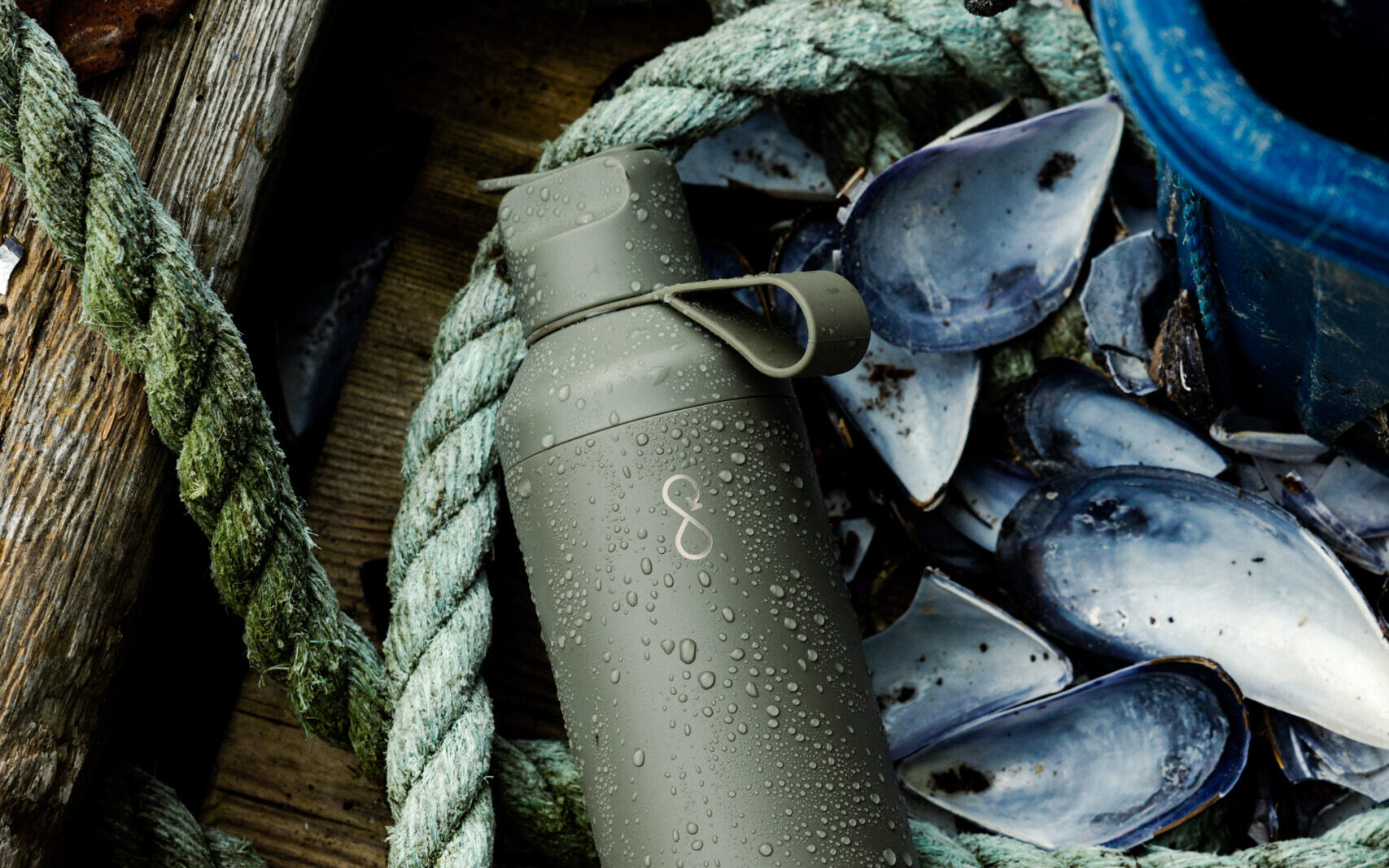
At Heike’s oyster farm, the weathered ropes and materials were so perfectly placed that we could basically just set a bottle down.
My one addition was bringing a spray bottle to add some mist and texture. It made the product shots much more interesting without changing what was already there.

UA: Sustainability campaigns can easily fall into familiar visual clichés. How did you avoid making the message feel staged?
Shayd: By letting real people be themselves and allowing the story to unfold on its own.
There doesn’t need to be a message spelled out in every frame.

When the weather becomes part of the production
UA: What did the shoot actually look like behind the scenes?
Shayd: It was a small team with minimal production, shooting mostly in the elements, which is a style of work I know well.
Weather is always the first variable, especially when you’re working on the water. Without built-in weather days, you lean into whatever you have been given.
On the first day, we were hoping for misty Pacific weather and got hot sun instead. So we adapted and made the most of it.

UA: How planned were the days once you arrived?
Shayd: Very little was planned until the day before each shoot.
We knew who we would be working with and where we were meeting them, but we didn’t always know much about the locations themselves. Heike’s oyster farm, for example, is only accessible by boat.
That openness suited the project. It kept us present and responsive to whatever each location offered.
UA: And what was the hardest part?
Shayd: Weather. Always.
Especially on the ocean, conditions could have kept us off the boat entirely. We are lucky it cooperated enough for us to get out there and make the work.

Shooting like a reporter
UA: What do you pack when you know you’re going to be working in those conditions?
Shayd: It’s easy to over-pack in environments like this, especially with changing weather.
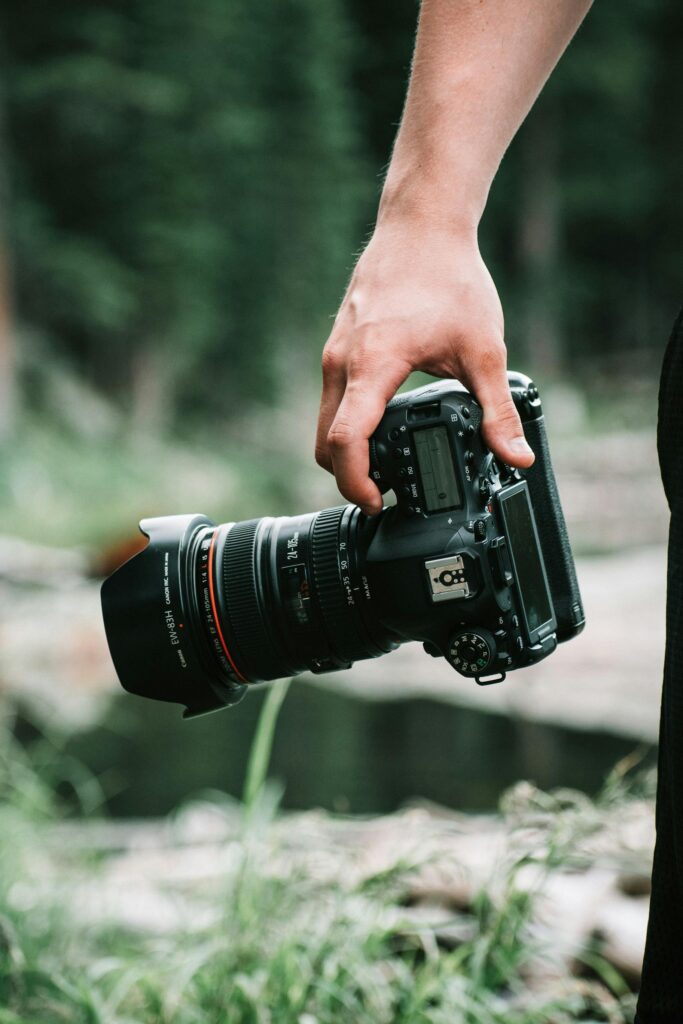
I kept it simple: one camera body, one lens and protective rain gear for the tougher days.
Space on small boats is limited, and nothing completely protects you from the elements. Travelling light is one of those lessons that comes with experience.
UA: How do you manage light when the conditions are changing constantly?
Shayd: Experience, mostly.
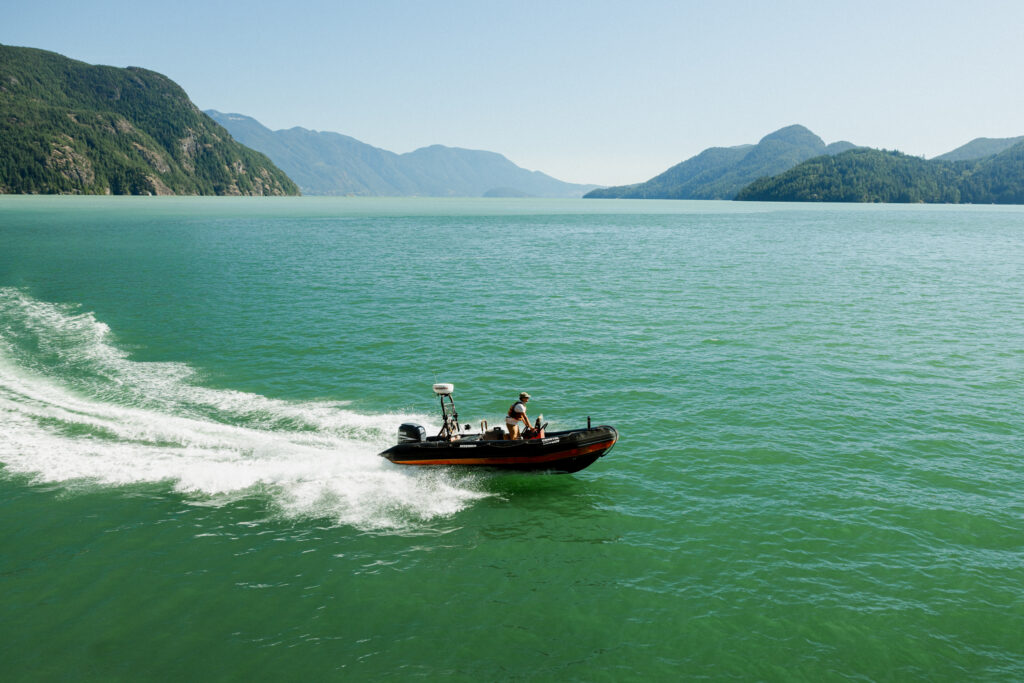
Shooting from a moving boat or in a downpour is a fast-pace, but you learn how to work through it.
At one point it was raining so hard I couldn’t keep my lens dry. Twenty minutes later the sun broke through and suddenly there were harsh shadows everywhere.
You can’t change the weather, but you can pivot quickly. That’s probably the most valuable skill on shoots like this.
UA: The final series includes landscapes, portraits, product details and close textures. How did you make everything feel like the same story?
Shayd: Consistency in the approach and the edit.
I treated the whole project as editorial rather than commercial, and people-focused rather than product-focused.
I thought of myself as a reporter more than a photographer.
I only really switched on my product brain for the hero bottle shots.

Why real people matter
UA: The people in the campaign feel very natural. How did you approach photographing them?
Shayd: We either knew them already or had friends in common, so there was rapport from the beginning.
Everyone understood that we wanted to document a typical day in their lives. We could let the days flow naturally and capture what we needed without asking anyone to perform.
That’s the beauty of working with real people instead of models. They get to be themselves, and that’s a big part of what makes these shoots special.

UA: More brands are building campaigns around sustainability, community and purpose. What separates a meaningful collaboration from something that simply borrows that visual language?
Shayd: It comes down to working with real people.
In a world of misleading advertising and overly produced, staged narratives, putting people in their own element is the best way to get it right.
Back where the work feels natural
UA: How does this project connect to the work you want to make more of?
Shayd: It really sums up my background: documentary storytelling mixed with commercial lifestyle and product work, with an outdoor component.
I love the rawness of it. Real elements and real people.
I had stepped away from outdoor and environmental work like this for quite a while, so coming back to it after working in other shoot environments was a great reminder to stay in the moment, stay versatile and stay adaptable.
Those lessons carry over into more controlled shoots too.

UA: Last question. Ocean Bottle calls tomorrow and gives you a second chapter anywhere in the world. Where are you going?
Shayd: The creative director and I talked about places like the Faroe Islands or Japan, meeting ocean people in parts of the world that are less known.
I’m still waiting for that call, but I’d be ready to go.

See more work from Shayd Johnson and explore his portfolio with United Assembly.