AI Copyright & Photography: Who Gets to Use the Image?

AI is changing how images are created, licensed and reused. The bigger question is who gets permission, compensation and a say in the process.

AI has turned one familiar photography question into several new ones.

Some of which are:

  • Who owns the image?
  • Who agreed to its use?
  • Who gets paid?
  • And what happens when photography becomes training material for a system that can create millions of new images?

There is no single answer yet.

Copyright law, stock-platform policies and AI regulation are all developing at different speeds.

AI copyright is often discussed as though there is one rule. There is not.

The original photograph may have copyright protection. Using that photograph as training material raises another question. The AI-generated result raises another. If the result includes a recognizable person, logo or other protected material, more rights may come into play.

In the United States, the Copyright Office has said that AI-generated material needs enough human authorship to qualify for copyright protection. Simply entering prompts may not always be enough.

Using AI within a larger human creative process is different from asking a system to produce an image with very little human involvement.

For photographers, the most useful takeaway is simple: the input, the process and the final image can each raise different rights questions.
2) Stock platforms are making different choices

The stock photography industry shows just how different AI policies can be.

Adobe has connected Adobe Stock with its Firefly ecosystem and has paid eligible contributors bonuses related to content considered for AI training. Adobe Stock also accepts generative AI submissions when they meet its labelling and rights requirements.

Shutterstock licenses content for AI-related datasets and offers contributors controls around future data licensing. It has also worked with AI companies including OpenAI.

Getty Images and iStock have built generative tools around licensed creative libraries and contributor compensation. They also currently restrict contributors from submitting generative AI-created files to their traditional collections.

Alamy currently does not accept AI-generated contributor imagery.

The point is not that one system is automatically better than another.

It is that “my work is with a stock company” does not tell you everything about how that work may interact with AI.

The contributor agreement matters.
3) AI rules change depending on where the work appears

There is no single global AI law.

The European Union has introduced broad AI rules, including transparency requirements around certain generated and manipulated content.

Canada is still developing its approach to AI transparency and copyright.

The United States currently relies on a mix of copyright law, court decisions, federal policy and state rules.

The UK is also continuing to work through how copyright and AI training should interact.

For photographers and brands, the practical issue is simple: a campaign can run around the world, while the laws governing it can change from one market to another.

That matters when AI-generated or AI-modified content enters commercial advertising.

4) Is AI-generated imagery ethical?

There is no useful one-word answer.

A system trained on licensed work, with clear terms and compensation for participating creators, creates a different ethical situation from one built from work creators did not knowingly agree to provide.

The use also matters.

Using AI to clean up part of an existing photograph is different from copying the recognizable work of a photographer.

Generating a fictional person is different from making a real person appear to endorse a product they have never agreed to promote.

Instead of asking whether AI itself is ethical, it may be more useful to ask:

Was there permission? Was anyone compensated? Is the audience being misled? Is someone being impersonated? Does the creator know how their work is being used? Who is responsible if something goes wrong?

Conclusion

Technology will continue to change.

The questions around it are surprisingly familiar:

  • Who made the work?
  • Who agreed to its use?
  • Who benefits from it?
  • And who is responsible for what happens next?

For photographers, brands and creative teams, those questions are becoming part of understanding an image itself.

Meet the Roster: Shayd Johnson

Meet Shayd Johnson, a Vancouver-based photographer working across lifestyle, food, travel, and automotive. His images feel candid, vibrant, and curious. They also carry a clear sense of time and place, which gives the work its staying power.

Instead of over-polishing a frame after the shoot, Shayd Johnson focuses on making strong choices in the moment. He watches the light, reads the room, and builds images that already feel honest before they ever reach the edit. As a result, his work keeps its texture, energy, and human edge.

Design also shapes the way he sees. Interior design, graphic design, advertisements, and branding all inform his eye. Because of that, his photographs often carry the same feeling as good design: balance, clarity, intention, and a sense that every detail belongs.

“You miss 100% of the shots you don’t take.”
– Wayne Gretzky, Michael Scott, and Shayd Johnson

Below is a quick-fire intro to Shayd Johnson in his own words, plus a few notes on what makes his work land.

The Shayd Johnson Quick-Fire

Where are you based?

Vancouver.

Where should people find you?

Website: www.xshaydx.com
Instagram: @shayd_johnson

What do you want to be hired for most right now?

Lifestyle, food + travel, automotive.

Three words that describe your work?

Candid. Vibrant. Curious.

What are you always chasing in an image?

Something that feels timeless, but also relative to a time and place.

How do you keep the work feeling human, not overworked?

I don’t spend a ton of time perfecting things on the computer. I try to craft good images in the moment that don’t need lots of polishing.

What inspires you outside of photography?

Design. That includes interior design, graphic design, advertisements, and branding. I deep dive into those areas and look for ways to create images that give me the same feeling I get when I see good design.

What’s one thing you bring to a production that’s underrated?

I know when to capture things outside the shot list. I also trust my gut when I see a better shot or a spontaneous opportunity.

What are you learning or unlearning right now?

I’m learning to embrace the technical side of photography more. That means dialing in settings, workflow, lighting, and production so I can adapt to different styles of shoots.

Your go-to reset when you’re stuck?

Shooting film.

What we love about Shayd’s approach

Great work does not always come from bigger production. Often, it comes from better decisions. Shayd notices what happens just outside the plan, then follows the moment when it leads somewhere stronger.

That instinct matters on set. A shot list gives a project structure, but the best images often come from staying open. Shayd brings that mix of preparation and curiosity to his work, which helps the final images feel alive instead of over-managed.

His portfolio also shows a strong human thread. For example, he rarely says no to travel assignments. He feels drawn to off-grid communities, remote places, and people who build their lives outside expected systems. That curiosity gives his work depth, even when the subject is product, place, or performance.

For brands, agencies, and design teams, that point of view is valuable. Shayd can hold a concept, but he can also stay flexible when a better frame appears. His images feel polished enough for commercial use, while still keeping the spontaneity that makes people stop and look.

Select clients

Shayd has worked with brands and publishers including Mercedes-Benz Canada, Chevrolet, Meta, Huckberry, Verizon, Destination British Columbia, MEC, ON Running, Condé Nast Traveller, and more.

Follow along

Explore the full portfolio on the UA roster page, and follow @shayd_johnson for recent work and behind-the-scenes. If you’re casting for a project and want a photographer with a candid eye, strong design instincts, and a flexible approach on set, Shayd Johnson is one to know.


Meet the Roster: Chloe Lukas

Vibrant, whimsical, compelling, and quietly obsessed with turning the ordinary into something you can’t stop looking at.

Chloe Lukas is Toronto-based, but her eye is always in motion. She shoots across product, lifestyle, food, and fashion, and her work has a signature quality that’s hard to fake: colour that feels intentional, moments that feel present, and images that don’t look overworked even when the craft is doing a lot.

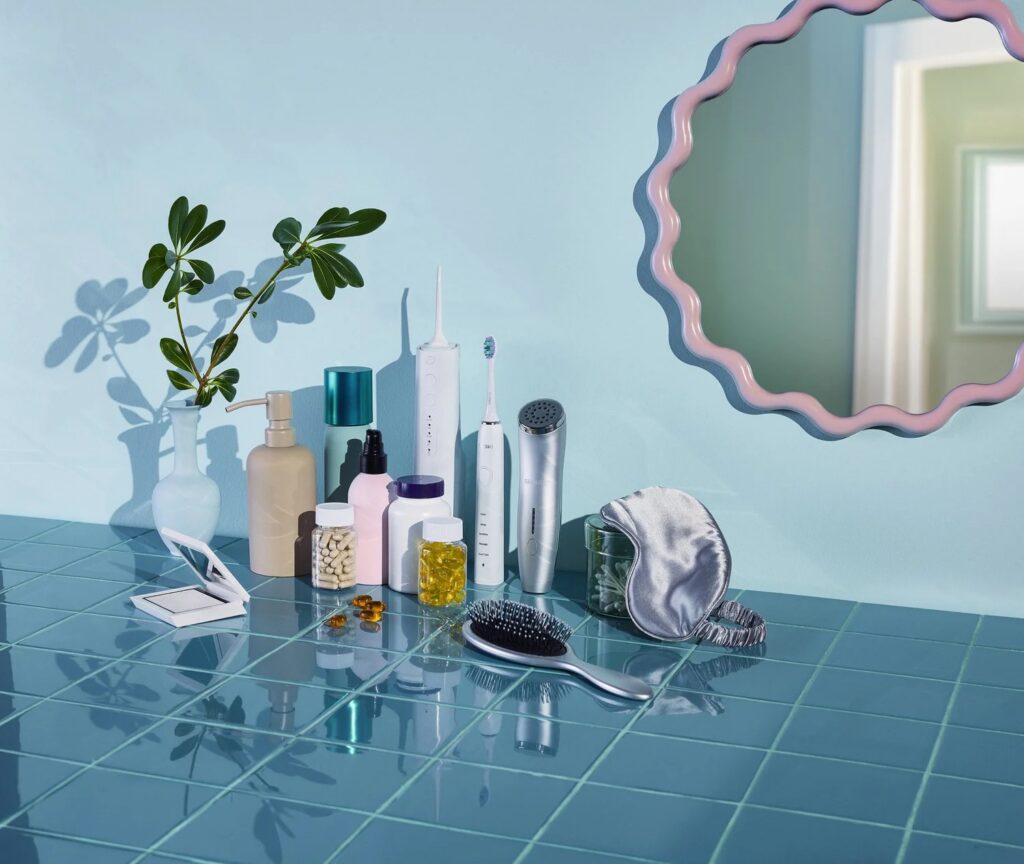
Skincare and wellness product still life on glossy blue tile with electric toothbrush, water flosser, supplements, hairbrush, satin sleep mask, plant, and wavy mirror.


If you’ve ever wondered what separates a nice photo from an image that actually sticks, Chloe has a simple answer. It’s not the object. It’s the feeling you manage to pull out of it.

“I’m always chasing beauty. The kind that can transform something seemingly ordinary into something evocative and captivating.”

We want to introduce Chloe in her own words, highlight notes on what she’s chasing, and how she gets her work to shine:

The Chloe Lukas Quick-Fire

Where are you based?

Toronto.

What do you want to be hired for most right now?

Product, lifestyle, food, fashion. The list could go on because I want to shoot it all.

Three words that describe your work?

Vibrant, whimsical, compelling.

Colorful still life scene with coffee cups, citrus fruit, lime slices and flowers on a bright tiled kitchen table

What are you always chasing in an image?

Beauty that transforms something ordinary into something evocative and captivating. What excites me most is the exploration itself. Through collaboration with a creative team, I love uncovering unexpected details, moods, and moments.

What do you do to keep the work feeling human, not overworked?

I’m drawn to work that still carries a sense of spontaneity, where the viewer can feel the presence of the people, the setting, and the moment itself.

Describe a photo you’re proud of. What makes it work beyond “it looks good”?

An image I’m especially proud of comes from my Demure series. It was captured during an emotionally difficult time for my family. At golden hour, we walked through my aunt’s fields, attempting to soften the heaviness we were carrying. This image is a testament to the deep connection I share with my family and to their generosity in supporting my art, even in moments of vulnerability. It represents not only grief, but also tenderness, trust, and the quiet act of being held by both nature and the people around us. It will always remain one of my proudest moments as a photographer.

Chloe Lukas subject in a pale blue dress lying in tall green grass at golden hour, lifestyle editorial photography

What inspires you outside of photography?

Nature, everyday life, and the people around me. A lot of it comes from simply observing the world we live in: light changing through the day, quiet moments, loud moments, conversations, movement, stillness, emotion. My inspiration comes from real life experiences, travel, relationships, and the small details people often overlook.

What do you hope someone feels when they see your work?

I want my work to slow the viewer down for a moment. I want to make them feel nostalgic, intrigued, comforted, excited, or even puzzled. I strive to create imagery that’s visually striking; work that captures attention, reinforces brand identity, and leaves a lasting impression. I also hope my work feels human and not overly perfected, but rather honest and grounded. Even in commercial work, I think people connect most with imagery that feels real.

Pilot Coffee Roasters “Ruby” coffee bag styled in a bold red and blue set with translucent red panels and citrus peel props.

Your go-to reset when you’re stuck?

Visiting my Oma and Opa. They have a way of slowing the world down for me and always bring a sense of ease, understanding, and support. That said, these ninety-eight-year-olds have surprisingly busy social schedules, so my backup options are camping or heading to the beach. From fall through spring, you can usually find me at the pool, on a ski hill, or somewhere crafting.

What we love about Chloe’s approach

A lot of photographers can make something look good. Chloe is more interested in making it feel like something. Her answers all point to the same thing: she’s not chasing polish for polish’s sake. She’s chasing presence. Whether it’s a product set, a lifestyle moment, or a fashion frame, she’s looking for the small cues that make an image believable.

Chloe Lukas makes vibrant, whimsical images that still feel grounded in real life, even when the concept is elevated.

Want to see more? Explore Chloe’s work on her United Assembly roster page, and keep an eye out for upcoming features and new work drops.

Explore Chloe Lukas’s work on the UA roster and inquire for availability. For more from Chloe, check out her features on the UA Instagram or follow her directly on Instagram for the latest.