Thankful for the People Behind the Creative

This Canadian Thanksgiving, we’re giving credit where credit is due: to the photographers, directors, producers, stylists, assistants and crews who turn ambitious ideas into finished work.

The finished creative has a funny way of making everything that came before it disappear.

You see the perfect light. The right gesture. A drink beading with condensation. A summer afternoon that somehow feels completely effortless. What you don’t see are the people standing just outside the frame.

This Thanksgiving, that’s exactly who we’re thankful for.

Great Creative Is Rarely Made Alone

Advertising is often credited to a single name, and the artist’s vision is undeniably at the centre of the work. But the bigger and more ambitious a commercial brief becomes, the more collaborative the process becomes with it.

Behind a single frame can be producers translating an idea into something physically possible; camera teams making sure every technical detail holds; lighting crews shaping an environment; food, prop and wardrobe stylists obsessing over details most viewers will never consciously notice; hair and makeup teams; assistants; coordinators; talent; post-production, and the people solving the hundred tiny problems that inevitably appear between call time and wrap.

And usually, at least a few people solving problems nobody anticipated until they appeared.

You can see that ecosystem in our work with Suech & Beck.

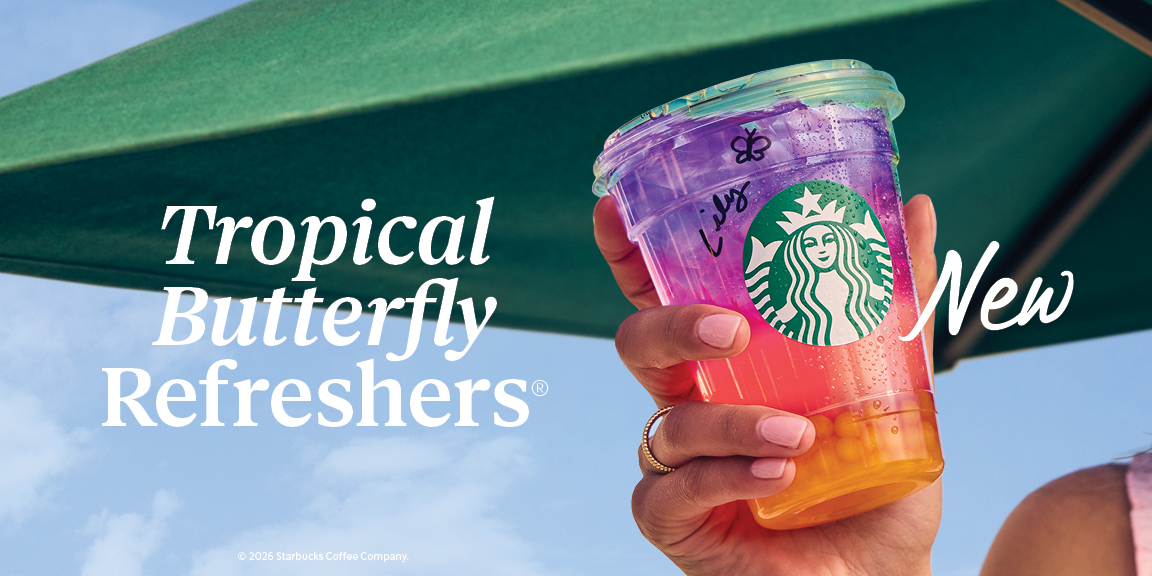
For their Starbucks Canada summer campaign. the finished images feel exactly as summer should: bright, effortless, colourful and warm. Behind them was a much larger production team spanning production, camera, lighting, grip, food styling, set and props, wardrobe, hair and makeup.

The reality behind that apparent ease? We were making summer in the middle of winter. It took a full team spanning production, camera, lighting, grip, food styling, set and props, wardrobe, hair and makeup to create it.

And, because commercial photography enjoys a challenge, we were creating summer in the middle of a Canadian winter.

That’s part of what a great production crew does. The viewer doesn’t need to know how difficult the photograph was to make. They just need to believe it.

Production Is Creative Infrastructure

It would be easy to describe production as the practical side of a shoot: schedules, call sheets, locations, equipment, talent, crew and budgets.

It is all of those things. But great production is also creative infrastructure.

Its job is to create the conditions in which everyone else can do their best work.

On projects like Suech & Beck‘s Truly campaign. There are a remarkable number of disciplines working toward the same few frames: direction, cinematography, camera, lighting, grip, sound, props, food styling, hair and makeup, production and post audio.

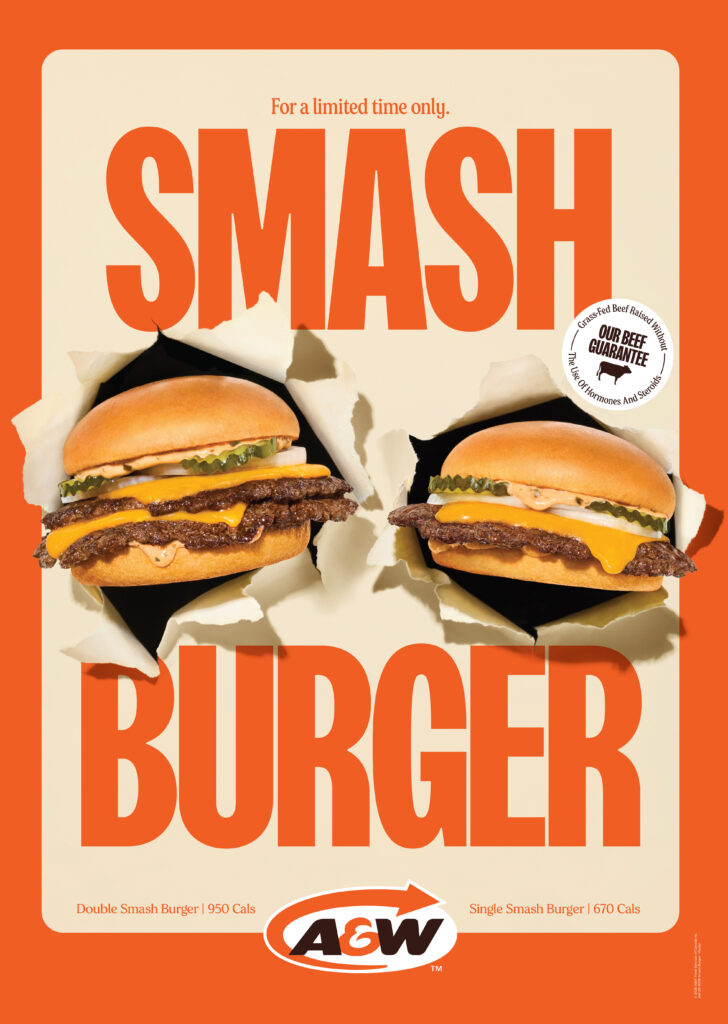
Or look at the crew behind A&W Canada, where food styling, wardrobe, hair and makeup, camera support and production all have to work together while keeping the finished image feeling spontaneous.

That’s the paradox of good commercial production: the more considered everything is behind the camera, the more effortless things can feel in front of it. The best production isn’t about adding complexity. It’s about managing complexity so the creative doesn’t have to carry it.
Why the Right Crew Matters

Large commercial shoots carry a lot of moving pieces and a lot of investment. There are creative expectations to meet, schedules to protect, budgets to manage, talent to coordinate and dozens of decisions that have to happen in the right order.

The right production team isn’t there simply to make the day run on time. They’re there to anticipate what could derail it, protect the creative idea as reality inevitably intervenes and make sure the artist can stay focused on the thing they were hired to do: make the work.

Most importantly, they create space for the artist and creative team to stay focused on the reason everyone is there in the first place: making great work.

You can see that collaboration across UA productions for Philadelphia Cream Cheese, Schneiders and Truly. Different briefs need different crews. A tabletop food shoot doesn’t require exactly the same machinery as a lifestyle campaign. A production shouldn’t be bigger simply for the sake of being bigger.

For brands and agencies, that matters.

It should be right-sized around the idea.

That’s where an experienced production partner becomes particularly valuable: knowing who needs to be in the room, what needs to happen before everyone gets there and where the production needs enough flexibility to let something unexpectedly great happen.

For brands and agencies, a strong production partner isn’t another layer between the brief and the finished work. They’re the connective tissue that gets the brief to the work.

So, What Are We Thankful For?

The people.

The artists who bring the point of view.

The producers who keep one eye on the big picture and another on every moving part.

The stylists who move something half an inch because half an inch matters.

The assistants who are somehow already holding the thing you didn’t realize you needed.

The crew members who solve a problem before it ever reaches the client.

And the agencies, brands and creative teams who trust all of those people to take an idea that exists on a page and turn it into something real.

The final creative may be what makes it onto the billboard, campaign page or feed. That’s how it should be.

But every one of those assets carries a lot of fingerprints.

This Thanksgiving, we’re happy to leave them on.

Have something ambitious in the works? Bring us the brief. We’ll bring together the photographer, production and people who can make it happen.

AI Copyright & Photography: Who Gets to Use the Image?

AI is changing how images are created, licensed and reused. The bigger question is who gets permission, compensation and a say in the process.

AI has turned one familiar photography question into several new ones.

Some of which are:

  • Who owns the image?
  • Who agreed to its use?
  • Who gets paid?
  • And what happens when photography becomes training material for a system that can create millions of new images?

There is no single answer yet.

Copyright law, stock-platform policies and AI regulation are all developing at different speeds.

AI copyright is often discussed as though there is one rule. There is not.

The original photograph may have copyright protection. Using that photograph as training material raises another question. The AI-generated result raises another. If the result includes a recognizable person, logo or other protected material, more rights may come into play.

In the United States, the Copyright Office has said that AI-generated material needs enough human authorship to qualify for copyright protection. Simply entering prompts may not always be enough.

Using AI within a larger human creative process is different from asking a system to produce an image with very little human involvement.

For photographers, the most useful takeaway is simple: the input, the process and the final image can each raise different rights questions.

2) Stock platforms are making different choices

The stock photography industry shows just how different AI policies can be.

Adobe has connected Adobe Stock with its Firefly ecosystem and has paid eligible contributors bonuses related to content considered for AI training. Adobe Stock also accepts generative AI submissions when they meet its labelling and rights requirements.

Shutterstock licenses content for AI-related datasets and offers contributors controls around future data licensing. It has also worked with AI companies including OpenAI.

Getty Images and iStock have built generative tools around licensed creative libraries and contributor compensation. They also currently restrict contributors from submitting generative AI-created files to their traditional collections.

Alamy currently does not accept AI-generated contributor imagery.

The point is not that one system is automatically better than another.

It is that “my work is with a stock company” does not tell you everything about how that work may interact with AI.

The contributor agreement matters.

3) AI rules change depending on where the work appears

There is no single global AI law.

The European Union has introduced broad AI rules, including transparency requirements around certain generated and manipulated content.

Canada is still developing its approach to AI transparency and copyright.

The United States currently relies on a mix of copyright law, court decisions, federal policy and state rules.

The UK is also continuing to work through how copyright and AI training should interact.

For photographers and brands, the practical issue is simple: a campaign can run around the world, while the laws governing it can change from one market to another.

That matters when AI-generated or AI-modified content enters commercial advertising.

4) Is AI-generated imagery ethical?

There is no useful one-word answer.

A system trained on licensed work, with clear terms and compensation for participating creators, creates a different ethical situation from one built from work creators did not knowingly agree to provide.

The use also matters.

Using AI to clean up part of an existing photograph is different from copying the recognizable work of a photographer.

Generating a fictional person is different from making a real person appear to endorse a product they have never agreed to promote.

Instead of asking whether AI itself is ethical, it may be more useful to ask:

Was there permission? Was anyone compensated? Is the audience being misled? Is someone being impersonated? Does the creator know how their work is being used? Who is responsible if something goes wrong?

Conclusion

Technology will continue to change.

The questions around it are surprisingly familiar:

  • Who made the work?
  • Who agreed to its use?
  • Who benefits from it?
  • And who is responsible for what happens next?

For photographers, brands and creative teams, those questions are becoming part of understanding an image itself.

AI Images 101: What Photographers Need to Know

AI-generated imagery is becoming part of everyday creative work. It can appear in moodboards, retouching, social content, stock libraries and full advertising campaigns.

For photographers, the goal is not to understand every new AI tool. It is to understand what these tools can do, what to watch for and where your own work may be affected.

White robotic hand reaching upward against a soft blue background.

1) What does an AI image actually look like?

A few years ago, AI images were often easy to spot. Hands looked wrong. Text was unreadable. Reflections did not make sense. Backgrounds melted into themselves.

Those clues still appear, but they are becoming less reliable.

AI can also be used to change only part of a real photograph. That makes the line between a photograph and an AI-generated image much harder to see.

This is why provenance is becoming more important.

Content Credentials can carry information about how a digital image was created or edited. Think of them as a history attached to the file. They are not used everywhere yet, but they can provide more useful information than trying to identify AI by appearance alone.

2) How is AI being used in photography and advertising?

Generative AI is not one single workflow.

A photographer might use it to extend a background, remove an unwanted object or help build an early concept. A brand might use it for mock-ups, social variations or fully generated campaign imagery.

The important question is what material goes into the process.

If you upload an existing photograph as a reference, do you have permission to use it that way? The same question applies to client work, unreleased products and photographs containing recognizable people.

The terms of the AI platform matter too. They explain how uploaded material may be handled and what you are allowed to do with the final result.

For commercial work, “the tool lets me make it” does not automatically mean “everything in this image is cleared for advertising.”

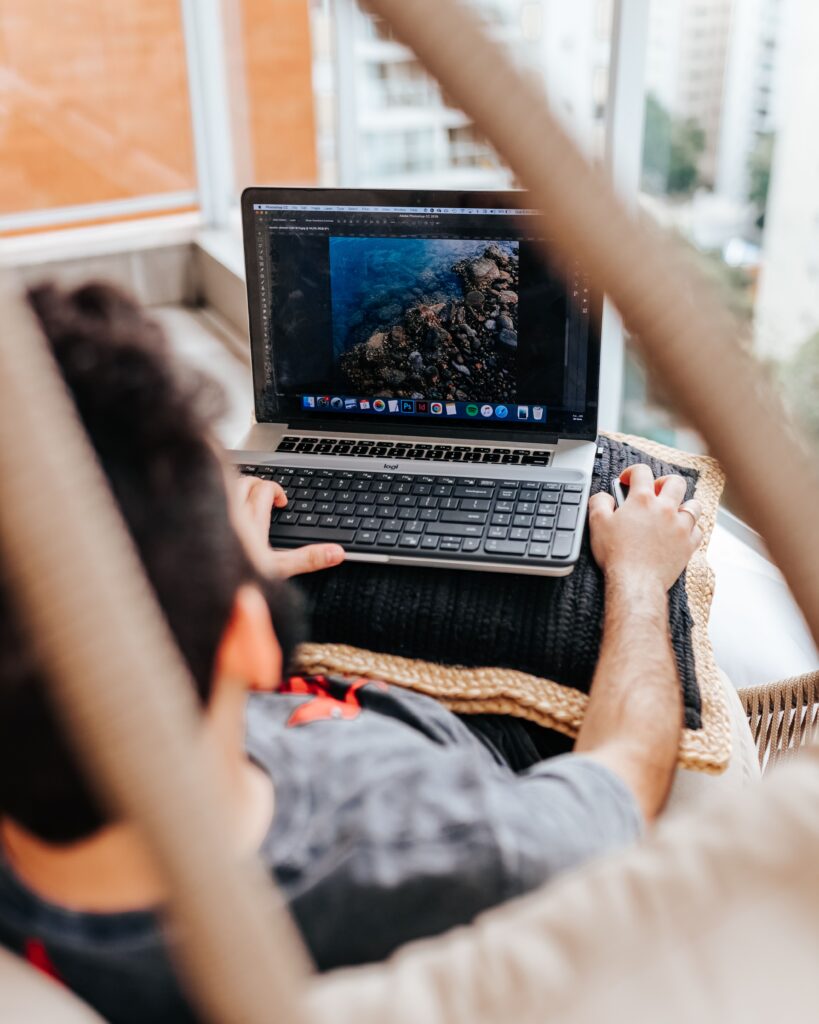
Person using a laptop and external keyboard while editing a photograph in Adobe Photoshop.

3) How can photographers protect their work?

Start with the boring but useful things.

Keep your original files, metadata, contracts, releases and publication records. They help establish when and how your photographs were created.

Read contributor agreements and client contracts for language around AI, machine learning, dataset licensing and synthetic content.

If you do not want your work used for AI training, check whether the platform you use offers an opt-out.

Photographers may also want to add clear AI language to future contracts. This can explain whether finished photographs, RAW files, outtakes or a subject’s likeness can be uploaded into generative tools or used to make synthetic versions.

4) What if you think someone has used your photograph?

Reverse-image search is still one of the easiest places to start.

Google Lens lets you search using an image. TinEye can also help find matching or modified versions of a photograph. Photographers with large archives may also use monitoring services such as Pixsy.

It can also help to search project names, captions and distinctive descriptions connected to your work.

If you find something suspicious, save the URL, screenshots, date and your original image before contacting anyone.

One limitation matters: finding a copy of your photograph online is not the same as proving that it was included in an AI training dataset. Training data can be much harder for an individual photographer to audit.

Conclusion

You do not need to identify every AI image on sight.

What matters more is understanding where your own images go, what permissions you have given and what records you can keep of your authorship.

As synthetic imagery becomes harder to recognize, that paper trail may become increasingly valuable.

What It Takes to Make Summer in March: Inside the Starbucks Summer Shoot

A look at the production decisions, agency collaboration, and on-set problem solving behind a multi-day food and lifestyle campaign.

Some shoots start with a simple creative ask. Then production turns that ask into a real-world plan.

For the Starbucks Summer shoot, the goal was clear: capture the new summer drinks menu and make it feel warm, bright, and inviting. The campaign, created with Leo Burnett and photographed/directed by Suech and Beck, centred on one familiar idea: that first sip feeling.

That sounds easy enough until you remember this was Canada in March.

The production took place over three days, from March 25 to 27, across multiple locations. The team shot at a Starbucks store at York Mills, Les Mills, outdoors in King City, and at Suech and Beck Studio. The work sat between food and lifestyle, which meant the final images needed to do two things at once. The drinks had to look fresh, and the world around them had to feel like summer.

A bright Starbucks Summer campaign image featuring a pink Refreshers drink, warm outdoor light, and seasonal beverage storytelling.

Pink Starbucks Refreshers summer drink held under a green patio umbrella with “Your summer, Your Refreshers” campaign copy.

From Agency Brief to Production Plan

When an agency brings a photographer or director into a campaign, the creative is already carrying a lot of strategy.

In this case, Leo Burnett had a clear campaign need: introduce the Starbucks summer drinks menu in a way that felt seasonal, sensory, and easy to understand. From there, the production team had to translate that idea into locations, crew, timing, talent support, usage needs, and a shoot structure that could actually work.

That is where production becomes more than logistics.

A strong production partner protects the creative idea while building the conditions to make it happen. That includes bidding, pre-planning, scheduling, crew sourcing, location planning, permits, on-set support, licensing and usage guidance, post coordination, and final delivery.

Each piece matters because each piece affects the final image.

If the schedule feels rushed, talent looks tense. If the location does not support the season, the frame breaks. If the food styling does not hold, the drink loses its appeal. Good production catches those problems early, so the final work can feel effortless.

Smiling woman holding a colourful Starbucks summer drink outside a café with “Me-time summer” campaign copy.

The Challenge: Make -20°C Feel Like Summer

The biggest challenge on this Starbucks Summer shoot was weather.

The outdoor scenes had to suggest heat, ease, and warm seasonal energy. Meanwhile, the crew was working in roughly -20°C conditions. That meant every frame needed to hide the reality of the day.

Bare trees could not give away the season. Winter textures had to stay out of frame. Talent needed to look relaxed in summer wardrobe. Drinks had to feel refreshing, not absurdly out of place.

So the team had to solve the problem shot by shot.

They composed frames to avoid winter tells. They used warm light and careful blocking to hold the summer mood. They also kept heaters and hand warmers close on the outdoor location day, so talent could reset between takes.

That kind of work rarely shows up in the final campaign. However, it is exactly what makes the final campaign believable.

Why Food and Lifestyle Shoots Need Both Control and Flexibility

Food and beverage work depends on details. The product needs to look precise, but the moment around it still needs to feel natural.

For this campaign, the drinks were the hero. Still, the story was not only about the menu. It was about how the drink fits into a summer day.

That is why the lifestyle layer matters. A hand reaching for a cup, a face reacting to the first sip, or a warm location cue can carry the feeling faster than copy. These details help the viewer understand the product through mood, not just information.

At the same time, lifestyle work needs room to breathe. The best frame may come from a small reaction, a shift in body language, or a moment between takes. A good production plan creates enough structure for the team to stay on schedule, while leaving enough space for those human details to happen.

Starbucks Iced Brown Sugar Oat Shaken Espresso held on a counter with bold summer campaign typography and green brand styling.

What Brands and Agencies Can Take Away

The biggest lesson is simple: the final image is only one part of the work.

A campaign like this depends on alignment between the agency, creative team, production, styling, locations, crew, and post. Everyone has to protect the same feeling.

For brands and agencies, this matters because seasonal campaigns often happen out of season. Summer gets shot in winter. Holiday gets shot in August. Outdoor warmth gets built in cold weather. The production team has to know how to create the illusion without making the final work feel fake.

The Starbucks Summer shoot is a good example of that balance. The creative asked for warmth. The production reality delivered cold. The team still built a world that felt bright, inviting, and easy to step into.

That is the job: make the strategy feel natural.

Key Takeaways

  • A simple campaign idea still needs a detailed production plan.
  • Agency collaboration works best when creative goals are clear early.
  • Seasonal work often requires hiding the real conditions on set.
  • Food and lifestyle campaigns need both polish and human energy.
  • Production support protects the creative from bid to delivery.

Credits

Photographer/Director: Suech and Beck
Agency: Leo Burnett
Producer: Lindsey Rebeiro
Line Producer: Jacob Locking
Food Stylist: Melanie Stuparyk
Hair/MUA: Grace Lee
Prop/Set: Christina Yan
Wardrobe: Jillian Vieira
Production: United Assembly
Equipment: Ontario Camera

Need production support for a food, lifestyle, or seasonal campaign? Explore United Assembly’s roster and get in touch to build the right team for the brief.

Meet the Roster: Shayd Johnson

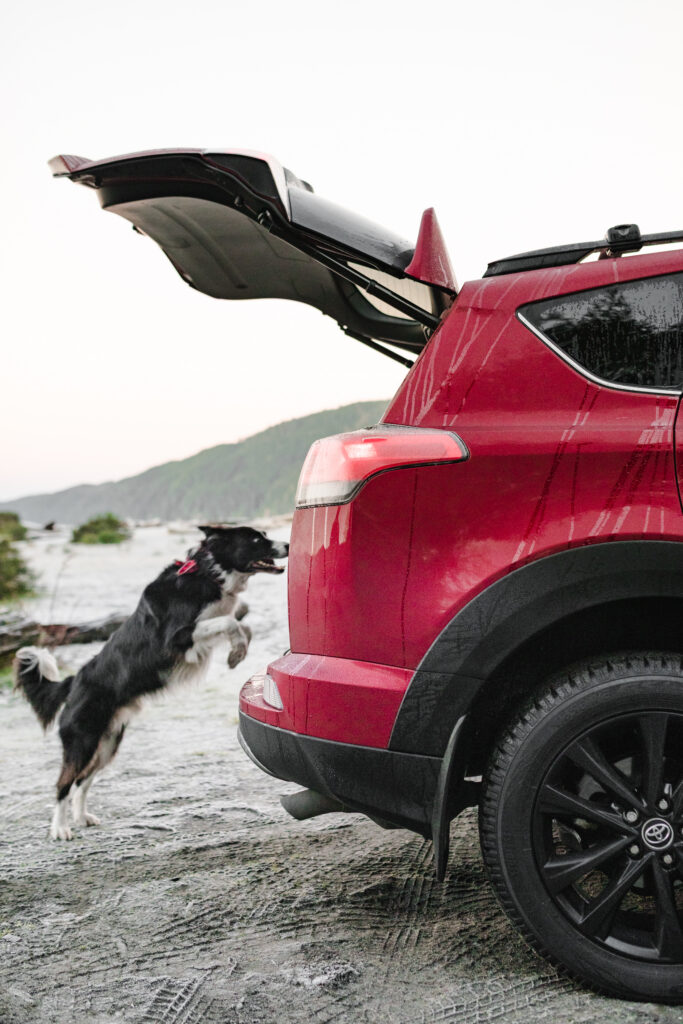
Meet Shayd Johnson, a Vancouver-based photographer working across lifestyle, food, travel, and automotive. His images feel candid, vibrant, and curious. They also carry a clear sense of time and place, which gives the work its staying power.

Instead of over-polishing a frame after the shoot, Shayd Johnson focuses on making strong choices in the moment. He watches the light, reads the room, and builds images that already feel honest before they ever reach the edit. As a result, his work keeps its texture, energy, and human edge.

Design also shapes the way he sees. Interior design, graphic design, advertisements, and branding all inform his eye. Because of that, his photographs often carry the same feeling as good design: balance, clarity, intention, and a sense that every detail belongs.

“You miss 100% of the shots you don’t take.”
– Wayne Gretzky, Michael Scott, and Shayd Johnson

Below is a quick-fire intro to Shayd Johnson in his own words, plus a few notes on what makes his work land.

The Shayd Johnson Quick-Fire

Where are you based?

Vancouver.

Where should people find you?

Website: www.xshaydx.com
Instagram: @shayd_johnson

What do you want to be hired for most right now?

Lifestyle, food + travel, automotive.

Three words that describe your work?

Candid. Vibrant. Curious.

What are you always chasing in an image?

Something that feels timeless, but also relative to a time and place.

How do you keep the work feeling human, not overworked?

I don’t spend a ton of time perfecting things on the computer. I try to craft good images in the moment that don’t need lots of polishing.

What inspires you outside of photography?

Design. That includes interior design, graphic design, advertisements, and branding. I deep dive into those areas and look for ways to create images that give me the same feeling I get when I see good design.

What’s one thing you bring to a production that’s underrated?

I know when to capture things outside the shot list. I also trust my gut when I see a better shot or a spontaneous opportunity.

What are you learning or unlearning right now?

I’m learning to embrace the technical side of photography more. That means dialing in settings, workflow, lighting, and production so I can adapt to different styles of shoots.

Your go-to reset when you’re stuck?

Shooting film.

What we love about Shayd’s approach

Great work does not always come from bigger production. Often, it comes from better decisions. Shayd notices what happens just outside the plan, then follows the moment when it leads somewhere stronger.

That instinct matters on set. A shot list gives a project structure, but the best images often come from staying open. Shayd brings that mix of preparation and curiosity to his work, which helps the final images feel alive instead of over-managed.

His portfolio also shows a strong human thread. For example, he rarely says no to travel assignments. He feels drawn to off-grid communities, remote places, and people who build their lives outside expected systems. That curiosity gives his work depth, even when the subject is product, place, or performance.

For brands, agencies, and design teams, that point of view is valuable. Shayd can hold a concept, but he can also stay flexible when a better frame appears. His images feel polished enough for commercial use, while still keeping the spontaneity that makes people stop and look.

Select clients

Shayd has worked with brands and publishers including Mercedes-Benz Canada, Chevrolet, Meta, Huckberry, Verizon, Destination British Columbia, MEC, ON Running, Condé Nast Traveller, and more.

Follow along

Explore the full portfolio on the UA roster page, and follow @shayd_johnson for recent work and behind-the-scenes. If you’re casting for a project and want a photographer with a candid eye, strong design instincts, and a flexible approach on set, Shayd Johnson is one to know.


Meet the Roster: Chloe Lukas

Vibrant, whimsical, compelling, and quietly obsessed with turning the ordinary into something you can’t stop looking at.

Chloe Lukas is Toronto-based, but her eye is always in motion. She shoots across product, lifestyle, food, and fashion, and her work has a signature quality that’s hard to fake: colour that feels intentional, moments that feel present, and images that don’t look overworked even when the craft is doing a lot.

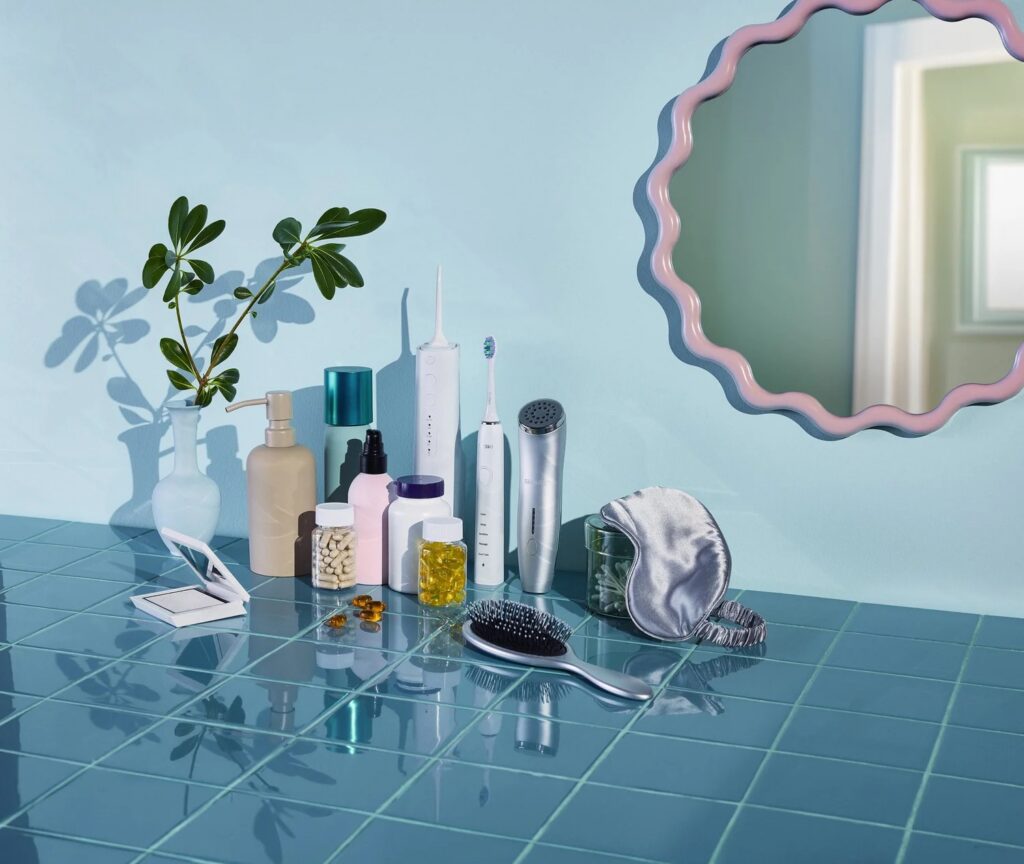
Skincare and wellness product still life on glossy blue tile with electric toothbrush, water flosser, supplements, hairbrush, satin sleep mask, plant, and wavy mirror.


If you’ve ever wondered what separates a nice photo from an image that actually sticks, Chloe has a simple answer. It’s not the object. It’s the feeling you manage to pull out of it.

“I’m always chasing beauty. The kind that can transform something seemingly ordinary into something evocative and captivating.”

We want to introduce Chloe in her own words, highlight notes on what she’s chasing, and how she gets her work to shine:

The Chloe Lukas Quick-Fire

Where are you based?

Toronto.

What do you want to be hired for most right now?

Product, lifestyle, food, fashion. The list could go on because I want to shoot it all.

Three words that describe your work?

Vibrant, whimsical, compelling.

Colorful still life scene with coffee cups, citrus fruit, lime slices and flowers on a bright tiled kitchen table

What are you always chasing in an image?

Beauty that transforms something ordinary into something evocative and captivating. What excites me most is the exploration itself. Through collaboration with a creative team, I love uncovering unexpected details, moods, and moments.

What do you do to keep the work feeling human, not overworked?

I’m drawn to work that still carries a sense of spontaneity, where the viewer can feel the presence of the people, the setting, and the moment itself.

Describe a photo you’re proud of. What makes it work beyond “it looks good”?

An image I’m especially proud of comes from my Demure series. It was captured during an emotionally difficult time for my family. At golden hour, we walked through my aunt’s fields, attempting to soften the heaviness we were carrying. This image is a testament to the deep connection I share with my family and to their generosity in supporting my art, even in moments of vulnerability. It represents not only grief, but also tenderness, trust, and the quiet act of being held by both nature and the people around us. It will always remain one of my proudest moments as a photographer.

Chloe Lukas subject in a pale blue dress lying in tall green grass at golden hour, lifestyle editorial photography

What inspires you outside of photography?

Nature, everyday life, and the people around me. A lot of it comes from simply observing the world we live in: light changing through the day, quiet moments, loud moments, conversations, movement, stillness, emotion. My inspiration comes from real life experiences, travel, relationships, and the small details people often overlook.

What do you hope someone feels when they see your work?

I want my work to slow the viewer down for a moment. I want to make them feel nostalgic, intrigued, comforted, excited, or even puzzled. I strive to create imagery that’s visually striking; work that captures attention, reinforces brand identity, and leaves a lasting impression. I also hope my work feels human and not overly perfected, but rather honest and grounded. Even in commercial work, I think people connect most with imagery that feels real.

Pilot Coffee Roasters “Ruby” coffee bag styled in a bold red and blue set with translucent red panels and citrus peel props.

Your go-to reset when you’re stuck?

Visiting my Oma and Opa. They have a way of slowing the world down for me and always bring a sense of ease, understanding, and support. That said, these ninety-eight-year-olds have surprisingly busy social schedules, so my backup options are camping or heading to the beach. From fall through spring, you can usually find me at the pool, on a ski hill, or somewhere crafting.

What we love about Chloe’s approach

A lot of photographers can make something look good. Chloe is more interested in making it feel like something. Her answers all point to the same thing: she’s not chasing polish for polish’s sake. She’s chasing presence. Whether it’s a product set, a lifestyle moment, or a fashion frame, she’s looking for the small cues that make an image believable.

Chloe Lukas makes vibrant, whimsical images that still feel grounded in real life, even when the concept is elevated.

Want to see more? Explore Chloe’s work on her United Assembly roster page, and keep an eye out for upcoming features and new work drops.

Explore Chloe Lukas’s work on the UA roster and inquire for availability. For more from Chloe, check out her features on the UA Instagram or follow her directly on Instagram for the latest.

United Assembly, Reintroduced

Do Good Work.

If you’re familiar with United Assembly, you already know the vibe: calm sets, clear communication, and great work delivered properly. If you’re new here, welcome. This is our rebrand; a sharpened version of what’s been true from day one.

United Assembly started five years ago in a moment that didn’t feel “perfect” at all. I was working at another agency when the owner decided to close. Overnight, the future went fuzzy. With encouragement and support from that same owner, I made the call to start my own agency and give it a real shot.

The first year? “Scary, uncertain, yet exciting.” I launched during COVID, when everything felt like a question mark and everyone was figuring it out in real time. My sink-or-swim mindset with the momentum and relationships I’d already built, helped UA hit the ground running and kept showing up, even when the industry was shifting under everyone’s feet.

One early moment made it click: shortly after UA formally launched, a large client requested a quote on a project. Negotiations, budget sign-off, the whole thing. That moment of “Wow, this is really happening on my own!” is still a defining memory.

That’s the spirit that built UA: No hype or noise. Consistency. Taste. Follow-through. With genuine love for the people behind the work.

Why now?

To put it plainly: The brand presence did not match the experience.

People were familiar with UA. People had worked with UA. But there was a disconnect between the quality of our work and UA’s visibility online and elsewhere.

The goal of our rebrand is alignment. A more impactful and cohesive identity across all platforms. A website that gives a clearer message about how we work and what we offer. A space that gives our roster the spotlight they deserve.

The first 10 seconds on our new site should tell you this: Our main focus is execution, with transparency and consistency throughout the production process. That is what we are known for and is the foundation of UA’s evolution.

What changed?

You’ll feel the change right away: Our logo is bolder. Our voice is clearer. Our online presence reimagined, placing the work center stage where it ought to be.

But what we’re most proud of is something less visual and more foundational: the language. We’re keeping it simple. No fluff. No smoke and mirrors. Our rebrand makes it clear, UA stands behind what we put out into the world and we are serious about how we run projects.

This matters more than ever because the industry has changed. Budgets are shrinking while expectations remain high. The only way to protect the work is to find the balance between delivering a great end product and being realistic about what’s possible.

UA is built for that reality. We make things clear early, so projects run smoothly later. Our goal is not just beautiful work, but also an enjoyable process that people want to repeat.

What this means for artists

United Assembly is a representation model rooted in relationships. Our rebrand is meant to unlock more visibility for the artists we represent, and in turn, more opportunities.

Our aim is that clients search for us across platforms and immediately see consistency. Our work looks cohesive. Our roster feels intentional. Our presence is strong enough that it creates momentum, not just recognition.

But visibility is not the only thing that matters. Representation only works when it’s built on trust. For UA, the most important thing is that our artists feel supported and heard. Trust and transparency are non-negotiable. That is the foundation of a successful artist-rep relationship and remains the basis of how UA operates.

Word of mouth will always be powerful and is still one-way projects come in. However, the industry isn’t local anymore; brands and agencies move globally, teams are distributed. Having a consistent online presence gives potential clients a clearer glimpse into what we offer and our artists a stronger platform that travels.

What this means for clients

If you’ve been on the brand side, you know that production stress rarely comes from one big dramatic issue. It usually comes from smaller misalignments stacking up.

UA solve manage our client’s stress with a “no-surprises” attitude to production. Sure, unforeseen elements always happen. Weather changes. Products arrive late. Locations throw curveballs. But our job is to have hard conversations early, so you are not dealing with them when time and money are most critical.

We operate with the big picture in mind, and we try to get ahead of issues before they become problems. That’s how UA protects the creative and keep the process calm.

UA Reps are there to facilitate details and be a constant point of contact for both the artist and the client. That means fewer dropped threads, faster decisions, cleaner approvals, and a smoother day for everyone. It also means the artist can stay focused on what they do best, instead of juggling admin while also trying to deliver at the highest level.

As UA grows, our focus is also expanding beyond local work. Brands shoot everywhere and agencies operate across time zones. We are pushing ourselves to expand our network internationally with globally used campaigns in both stills and motion.

UA and our artists thrive on creative collaboration with clients, the freedom and trust to explore possibilities together is a powerful process.

A new age for UA

This rebrand is not just a visual update, we are entering a new era with greater clarity and intention. UA is a place for people to gather and enjoy the process leading up to the shoot, as well as the shoot itself. Same message, just with a bolder appearance.

Over the next little while, you’ll see us show up more consistently. Not louder just more present.

Here’s what to watch for:

  • Greater engagement and more behind-the-scenes insight into how projects come together
  • A blog built for creatives and brands, with helpful quick reads
  • A newsletter that keeps you in the loop on roster updates, projects, and what we’re tracking in visual culture
  • Increased visibility for our artists through features, spotlights, and storytelling that gives context to the work

This new era for UA has been a long time in the making, seeing it out in the world is extremely exciting and rewarding.

Who the new UA is for

The new UA is for people who want to work with a company that believes in fairness and executing to the highest ability.

If you’re a creative, we’re here to advocate for your work, protect your time, and help you show up in the right lane with clarity.

If you’re a brand, agency, or design team, we’re here to make production feel steady. We’ll help you match the right talent, lock the details early, and deliver exceptional work that feels human, intentional, and properly handled.

If you’re building something and you want to do it right, we’d love to hear what you’re making.

Do Good Work. We’ll handle the rest.
Lindsey & the UA team